Bristol Travel Guide

Bristol is an energetic and artsy city bursting with a robust restaurant scene, fascinating history, and lots of art. A college town with a youthful feeling, the city is full of great budget experiences, plenty of parks to relax in, interesting museums and historic homes, and a waterfront lined with art galleries and eateries.
Bristol is one of my favorite places to visit in England, and I’m not the only one who thinks so: in both 2014 and 2017, Bristol was named the best UK city. And that’s not the only award Bristol can claim — it won the European Green Capital Award in 2015, and in 2017 became a UNESCO City of Film.
In short, Bristol has a lot to offer. It’s an underrated city often overshadowed by England’s more international hubs but it’s definitely worth visiting for a day or two.
This travel guide to Bristol can help you plan a fun, affordable trip to this unappreciated gem!
Click Here for City Guides
Top 5 Things to See and Do in Bristol

1. See the Clifton Suspension Bridge
Bristol’s most famous landmark is suspended 100 meters (330 feet) above the Avon River. Designed by Isambard Kingdom Brunel, it is considered the mark of a turning point in the history of engineering, took 33 years to complete, and is now one of the oldest surviving iron suspension bridges in the world. The bridge provides sweeping views of the river and surrounding parks and buildings. The first modern bungee jump took place here in 1979 (though it was illegal at the time).
2. Visit Bristol Cathedral
Dating back to the 12th century, Bristol Cathedral was originally the abbey of St. Augustine. Parts of the Cathedral include Romanesque architecture and large vaulted ceilings in the nave, choir, and aisles, although the nave wasn’t built until 300 years after the rest of the cathedral. It’s open daily and admission is free, though donations are encouraged. Tours are available in the summer.
3. Learn nautical history aboard the SS Great Britain
Also designed by Brunel, the SS Great Britain was the world’s first steam-powered passenger liner. It was also the first screw-propelled, ocean-going, wrought iron ship. Built in 1843, it used both sail and steam power simultaneously, allowing it to travel across the Atlantic in half the time of other ships. You can visit the boat, its dockside museum, and even climb the rigging.
4. Visit St Nicholas Market
This bustling market has more shops than you could go through in an afternoon. Spend some time checking out the endless number of stalls offering seasonal local produce, second-hand books, vintage clothing, and more. It’s been trading since 1743 and now runs multiple different markets a week. Check the website to see what’s happening on each day (and what hours they are open).
5. Enjoy the street art
Bristol is believed to be the hometown of the covert yet famous street artist Banksy. Because of that claim to fame, street art abounds here, including many originals by Banksy himself (although sadly a few have been removed). There are a few areas that are hotspots for street art by other artists too, including Stokes Croft, Bedminster & Southville, Park Street, Nelson Street, and Bristol Harbourside. Where the Wall runs tours of Bristol’s street art scene but they sell out quickly so it’s best to book in advance.
Other Things to See and Do in Bristol
1. Take a Pirate Walks tour
The Bristol Pirate Walks are short guided tours that take you to some of Bristol’s oldest neighborhoods. You’ll learn about Bristol’s early history in the 16th, 17th, and 18th centuries when slavery, maritime trading, and piracy were part of daily life. Call ahead to check availability as tour times vary.
2. Hang out on King Street
King Street is a fascinating, historic part of Bristol dating to the 17th century. It used to be where the old sailing barges docked after their journeys from South Wales. Now the area is the heart of Bristol’s theater district and features numerous bars and restaurants too. The oldest continually operating theatre in England, Bristol Old Vic, is located on King Street.
3. Daytrip to Bath
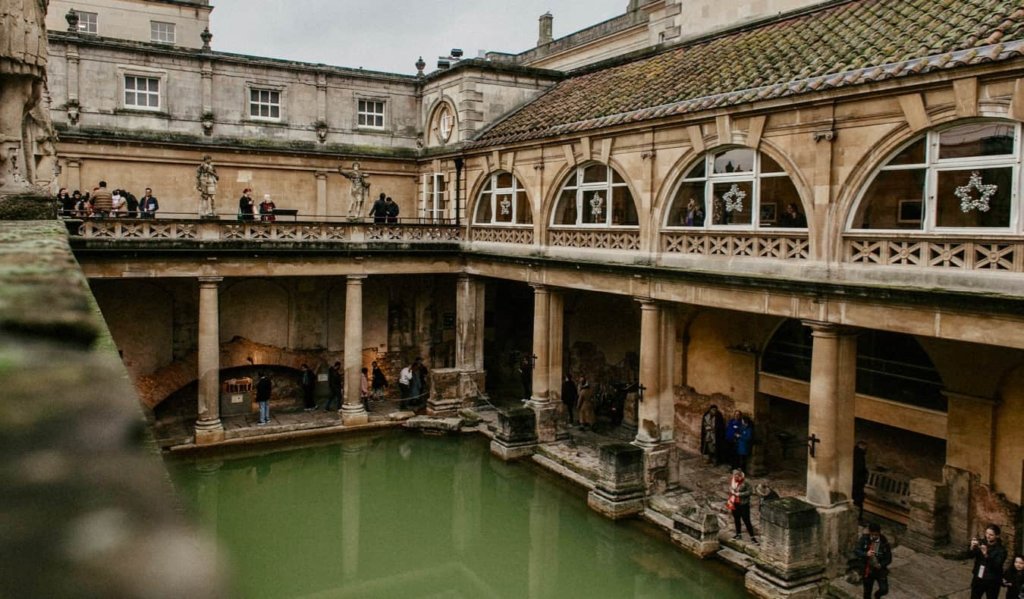
The site of the ancient Roman baths is just a quick train ride away. The Romans used this area as their spa retreat up until the 5th century. Whether you’re interested in seeing the baths, cathedrals, or Jane Austen’s home (her family lived here in the early 19th century), Bath is an easy and enjoyable day trip from Bristol. Trains from Bristol to Bath run all day and it’s just a 15-minute ride.
4. Explore the Wookey Hole Caves
Located near Wells, around 20 miles from Bristol, Wookey Hole Caves make for an interesting day trip. This fascinating network of limestone caves was formed by an underground river and is famous for its unusual rock formations and archaeological discoveries. During your visit, you can take a guided cave tour, explore the historical museum and learn about the area’s geology and history. Don’t miss the famous Witch of Wookey Hole, a human-shaped rock formation surrounded by a local legend about a witch who was turned to stone. The attraction also has plenty of family-friendly activities, including animatronic dinosaurs, adventure golf, a 4D cinema, and a mirror maze. Although many of the attractions are geared towards children and families, the caves themselves are interesting for all ages.
5. Take a stroll along the Bristol Harbour
The historic Bristol Harbour along the Avon River was traditionally known as the Floating Harbor because the water levels neither rise nor fall, keeping everything constant. Today, the harbor is home to most of Bristol’s busy street life and many of the city’s tourist attractions, including the Watershed Media Center and the M Shed Museum. In July, the free Bristol Harbour Festival features a weekend of activities on the waterfront including live music, dance performances, spoken word, food markets, circus acts, and more.
6. Tour the Bristol Aquarium
In a city with such close ties to the sea, it’s no wonder the Bristol Aquarium has several unique exhibitions on display. There’s an underwater tunnel that takes you through a recreated environment and even a sunken ship inside. The real attraction, though, is the Urban Jungle which features hundreds of exotic plants and trees, including mangroves. The jungle’s underwater environment is home to stingrays and freshwater fish from the Amazon rainforest. It’s a good place to visit if you’re traveling with kids.
7. Wander the Bristol Museum and Art Gallery
Bristol’s largest museum is home to an extensive collection of art and artifacts, including works from Bellini, Renoir, Hepworth, Sisley, and Bomberg. The ground floor has a collection of Egyptian mummies and other ancient artifacts, as well as displays dedicated to rare gems and crystals. Possibly the oddest yet most beloved part of the museum is Alfred the Gorilla, a mascot for the city. The gorilla originally lived in the Bristol Zoo, but since his death in 1948, he has been housed in a glass case on the second floor of the museum (he was even stolen for a few years in the 50s). Admission is free, although some temporary exhibitions may require a ticket. Note that the British and World Wildlife Galleries are temporarily closed for refurbishment until summer 2027.
8. Visit M Shed
For a more in-depth look at the city of Bristol itself, visit this free museum. Over 3,000 artifacts comprise the museum’s exhibitions, which focus on the people and history of the city. The exhibition includes a collection of historic vessels, such as a fireboat and the oldest surviving steam tugboat (which is moored outside the museum). Admission is free, though donations are welcome.
9. Take a harbor tour
For an even closer look at the harbor, Bristol Ferry Boats offers daily harbor tours leaving from the city center. You float past all of Bristol’s maritime sights during the hour-long tour and learn more about the city. They also offer specialized cruises (such as a gin cruise) on certain days of the week. There’s also an option to do a tour on The Matthew, a replica of John Cabot’s 1497 ship that he used to discover Newfoundland, or you can do a cruise of the Avon Gorge that goes under the Clifton Suspension Bridge.
10. Meander through Castle Park
Before being destroyed in World War II, Bristol’s main shopping district was located on the site of what is now this large harbor-side park. The park is home to several ruins: the 14th-century tower of St Mary-le-Port Church, the 12th-century St Peter’s Church (now a memorial to those who died in the Bristol Blitz), and vestiges of Bristol Castle itself. Stop in for a hot drink at the Vaulted Chambers Café, located within the last above-ground remnants of Bristol Castle.
How to Stay Safe in Bristol
Bristol is a safe city and the risk of violent crime here is low. Solo female travelers should generally feel safe here, however, the standard precautions apply (never leave your drink unattended at the bar, never walk home alone intoxicated, etc.).
Scams and pickpocketing can occur around high-traffic areas, especially on busy weekend nights in the city center when partygoers are a little less aware. Always keep your valuables secure and out of sight just to be safe.
If you’re partying in the student pubs, be aware of your surroundings and avoid dimly lit alleys and pathways when heading home. Pickpockets tend to work in teams, so stay alert and be aware of your surroundings.
Solo female travelers should generally feel safe here, however, the standard precautions apply (never leave your drink unattended at the bar, never walk home alone intoxicated, etc.).
Scams here are rare, but if you’re worried about getting ripped off, you can read about common travel scams to avoid here.
If you experience an emergency, dial 999 for assistance.
The most important piece of advice I can offer is to purchase good travel insurance. Travel insurance protects you against illness, injury, theft, and cancellations. It’s comprehensive protection in case anything goes wrong. I never go on a trip without it as I’ve had to use it many times in the past. You can use the widget below to find the policy right for you:
Where to Stay in Bristol
Bristol has a few hostels; however, most are not currently booking dorms due to COVID safety protocols. Nevertheless, here are my favorite places to stay in Bristol for when things open up again:
Bristol Travel Costs

Accommodation
- Hostel dorms – 25–40 GBP per night
- Hostel private rooms – 60–80 GBP per night
- Budget hotels – 60–90 GBP per night
- Luxury hotels – 100–200 GBP per night
- Airbnb private rooms – 30–75 GBP per night
- Airbnb apartments – 75–200 GBP per night
- Campsite – 15–30 GBP per night
Food
- Sit-down restaurants – 15–30 GBP
- Casual take-out places – 7–12 GBP
- Fast food (think McDonald’s) – 7–9 GBP
- Beer – 5–7 GBP
- Cappuccino/latte – 3.50–4 GBP
- Bottled water – 1–1.50 GBP
- Groceries for a week – 40–55 GBP
Bristol Suggested Budgets
Backpacker – 60 GBP Per Day
This budget covers a hostel dorm, taking public transit, limiting your drinking, cooking your own meals, and doing mostly free activities like museum visits and seeing the suspension bridge. If you plan on drinking, add 5–10 GBP per day to your budget.
Midrange – 150 GBP Per Day
A mid-range budget covers staying in a private Airbnb room or private hostel. You’ll be able to eat out for more meals, take the occasional taxi, enjoy a few drinks, and do a few paid activities such as a harbor cruise or street art tour.
Upscale – 250 GBP Per Day
On a “luxury” budget, you can stay in a hotel, eat out for all your meals, drink more, rent a car or take more taxis, and do whatever tours and activities you want. This is just the ground floor for luxury though. The sky is the limit!
Bristol Travel Guide: Money-Saving Tips
With cheap pubs, public parks, an accessible waterfront, and a few hostels, there are plenty of ways to save money in Bristol. Here are my top ways to save money when you visit:
Bring a water bottle – The tap water here is safe to drink so bring a reusable water bottle to save money and reduce your plastic use. LifeStraw is my go-to brand as their bottles have built-in filters to ensure your water is always clean and safe.
Redeem hotel points – Sign up for hotel credit cards so you can use those points to pay for accommodations on your trip. You’ll get 1-2 nights free with most cards when you sign up. Here’s a post that will help you get started with the basics so you can start earning points right away. If you already know the basics, here’s a list of my current favorite hotel cards.
Chill in the park – It seems like Bristol is one giant park, with many great places to relax, play frisbee, read, and picnic. It’s a low-cost way to spend an afternoon, hang out, and people-watch.
Enjoy the free art – Bristol is famous for its street art, including its murals by famed street artist Banksy. Wander the city and you’ll be able to take it all in for free.
Eat cheap – Bristol is a college town with lots of cheap sandwich shops and restaurants. Flock to where the students go to save money on your meals. Popular places for students include St. Nick’s Market, the Harbourside Market, and places along Wapping Wharf (Bertha’s for pizza is a great stop).
Visit the museums – Learn about Bristol’s fascinating history by going to the museums, most of which are free.
Take a free walking tour – If you’re there on a weekend, be sure to take a free walking tour. It lasts a couple of hours and is a nice way to get a sense of the city. Visit Bristol also offers several free self-guided audio tours for download on their website.
Stay with a local – If you’re on a budget, use Couchsurfing to stay with a local. It’s a great way to cut costs while getting insider tips and advice. Just note that many students are away during the summer so be sure to apply early.
Book transportation in advance – If you’re travelling to Bristol from another UK city, book your bus or train ticket in advance. You can save up to 50%!
How to Get Around in Bristol

Public transportation – Public transport in Bristol and the surrounding area operates across several fare zones, although bus fares within Bristol itself are flat-rate. A single adult fare within the Bristol Zone costs 2.60 GBP, while the daily fare cap is 6.80 GBP (when using the contactless Tap On, Tap Off system). This allows unlimited bus travel within the zone for the day. The city centre is easily walkable, but buses are useful for reaching some of the outer neighbourhoods and attractions.
Bicycle – Bristol is one of the UK’s most bike-friendly cities and was named the country’s first official Cycling City in 2008. Cycle the City and Bristol Cycle Shack offer bike rentals, with standard bikes costing approximately 18–25 GBP per day. If you’re planning to explore the countryside or tackle some of Bristol’s hillier routes, consider renting a mountain bike or electric bike. Electric bike rentals typically cost around 35 GBP per day.
Taxi – Taxis are readily available throughout Bristol, with daytime fares starting at around 3 GBP and costing 2.70 GBP per mile. Prices increase at night and on weekends. Given the relatively high cost, I wouldn’t recommend taking taxis unless absolutely necessary. Bristol’s city centre is walkable, and buses offer a much cheaper way to get around.
Ridesharing – Uber is available in Bristol but again walking or cycling are the easiest (and cheapest) ways to get around in the compact city.
Car rental – Car rentals can be found for as little as 20–30 GBP per day for a multi-day rental. Keep in mind that traffic flows on the left and that most cars have a manual transmission. You don’t need a car to explore the city, however, it might be helpful if you want to explore the region.
For the best car rental prices, use Discover Cars. You can get a free quote using this widget:
When to Go to Bristol
Bristol doesn’t get too cold, but like most English cities, it also doesn’t get too hot. Summer is peak tourism season, with average temperatures hovering around 18–22°C (64–72°F). People make the most of the warm weather and during July and August, there are tons of events and festivals happening along the Bristol harbor. One of the most famous is the Bristol International Balloon Fiesta when hundreds of hot air balloons fill the sky in August.
Spring (late March–June) and autumn (September–November) are also fantastic times to visit, as temperatures are mild, generally ranging from 10–18°C (50–64°F), and the summer crowds have thinned out. You can still walk everywhere and hang out in the parks. Just bring a rain jacket, as showers are common.
Winter lasts from December to February, with average temperatures around 3–8°C (37–46°F), although it occasionally dips below freezing. While prices are a bit lower during this time, I wouldn’t visit during winter as you’ll miss out on many of the parks and outdoor activities. That said, Christmas events and cosy pubs still make the city worth exploring.
Bristol Travel Guide: The Best Booking Resources
These are my favorite companies to use when I travel. They consistently have the best deals, offer world-class customer service and great value, and overall, are better than their competitors. They are the companies I use the most and are always the starting point in my search for travel deals.
- Skyscanner – Skyscanner is my favorite flight search engine. They search small websites and budget airlines that larger search sites tend to miss. They are hands down the number one place to start.
- Hostelworld – This is the best hostel accommodation site out there with the largest inventory, best search interface, and widest availability.
- Booking.com – The best all around booking site that constantly provides the cheapest and lowest rates. They have the widest selection of budget accommodation. In all my tests, they’ve always had the cheapest rates out of all the booking websites.
- HostelPass – This new card gives you up to 20% off hostels throughout Europe. It’s a great way to save money. They’re constantly adding new hostels too. I’ve always wanted something like this and glad it finally exists.
- Get Your Guide – Get Your Guide is a huge online marketplace for tours and excursions. They have tons of tour options available in cities all around the world, including everything from cooking classes, walking tours, street art lessons, and more!
- The Man in Seat 61 – This website is the ultimate guide to train travel anywhere in the world. They have the most comprehensive information on routes, times, prices, and train conditions. If you are planning a long train journey or some epic train trip, consult this site.
- Trainline – When you’re ready to book your train tickets, use this site. It streamlines the process of booking trains around Europe.
- Rome2Rio – This website allows you to see how to get from point A to point B the best and cheapest way possible. It will give you all the bus, train, plane, or boat routes that can get you there as well as how much they cost.
- FlixBus – Flixbus has routes between 20 European countries with prices starting as low 5 EUR! Their buses include WiFi, electrical outlets, a free checked bag.
- SafetyWing – Safety Wing offers convenient and affordable plans tailored to digital nomads and long-term travelers. They have cheap monthly plans, great customer service, and an easy-to-use claims process that makes it perfect for those on the road.
- LifeStraw – My go-to company for reusable water bottles with built-in filters so you can ensure your drinking water is always clean and safe.
- Unbound Merino – They make lightweight, durable, easy-to-clean travel clothing.
- Top Travel Credit Cards – Points are the best way to cut down travel expenses. Here’s my favorite point earning credit cards so you can get free travel!
- BlaBlaCar – BlaBlaCar is a ridesharing website that lets you share rides with vetted local drivers by pitching in for gas. You simply request a seat, they approve, and off you go! It’s a cheaper and more interesting way to travel than by bus or train!
GO DEEPER: Nomadic Matt’s In-Depth Budget Guide to Europe!
There’s a lot of free information online but do you want to spend days searching for information? Prob not! That’s why guidebooks exist.
While I have a lot of free tips on Europe, I also wrote an entire book that goes into great detail on everything you need to plan a trip here on a budget! You’ll get suggested itineraries, budgets, even more ways to save money, my favorite restaurants, prices, practical information (i.e. phone numbers, websites, prices, safety advice, etc etc), and cultural tips.
I’ll give the insider view of Europe that I got from years of traveling and living here! The downloadable guide can be used on your Kindle, iPad, phone, or computer so you can have it with you when you go.
Click here to learn more about my book on Europe!
Bristol Travel Guide: Related Articles
Want more tips for your trip? Check out all the articles I’ve written on Bristol travel and continue planning your trip: