Since the creation of the world-famous Panama Canal in 1914, Panama has been at the heart of international shipping, serving as a connection point between the Pacific and the Caribbean.
Its importance in global trade has helped the country proper (it’s one of the most developed in the region). And in recent years, Panama has also become a major tourist destination as flights from the US have become increasingly affordable and more Americans begin to retire here.
Most travelers visit Panama either at the end or the beginning of their journey through Central America here and stick to the well-worn tourist trail of Bocas del Toro, Boquete, the San Blas islands, and Panama City but, if you head to some of the lesser-known destinations, you’ll be rewarded with better food, amazing scenery free of tourists, and lower prices.
Panama is a beautiful country with an up and coming food scene (finally because, honestly, the food here is a bit bland) that I would say you need longer than you think to explore!
This travel guide to Panama can help you plan the perfect trip there without breaking the bank.
Table of Contents
Click Here for City Guides
Top 5 Things to See and Do in Panama
1. See the Panama Canal
Opened in 1914, the Panama Canal is one of the 7 Wonders of the Modern World and sees around 13,000-14,000 ships cross between the Pacific Ocean and the Caribbean each year. The Canal is 80 kilometers (50 miles) long and raises ships an impressive 27 meters (85 feet) using a complex lock system. It took a decade to create, relying on the labor of over 40,000 people — and over 5,000 of them died in the process. The Miraflores Locks are the easiest to reach from Panama City. Admission is $20 USD, and this includes the exhibitions at the visitor center as well as seeing the ships pass through from the observation deck.
2. Hang out in Bocas del Toro
Bocas is Panama’s most popular backpacker destination, combining a laid-back Caribbean attitude with the pristine natural setting of jungles, forests, and mangroves. Surfing is extremely popular here and there are always water taxis to take you to secluded coves, beaches, and the best snorkeling spots. This area is made up of three main islands: Isla Colon, Isla Bastimentos, and Isla Carenero. Bastimentos is calm and there are fewer people here so it’s a nice place to chill out away from it all. This area is also home to the Ngäbe and Naso Tjerdi indigenous cultures.
3. Relax in Boquete
Boquete is a laid-back village located in the mountainous region of the Chiriquí Highlands. There are several coffee plantations nearby, the ‘Mi Jardin es Su Jardin’ private garden, and several hiking trails of varying difficulty should you need to stretch your legs. This is a wonderful place to hike, bird watch, try some of the delicious regional coffee, and enjoy nature. One of the highlights here is the Volcán Barú volcano, where you can hike or take a 4X4 jeep tour up to the summit to catch the sunrise. The views are truly spectacular and you can enjoy panoramas of both the Atlantic and Pacific Coasts at the same time.
4. Sail the San Blas islands
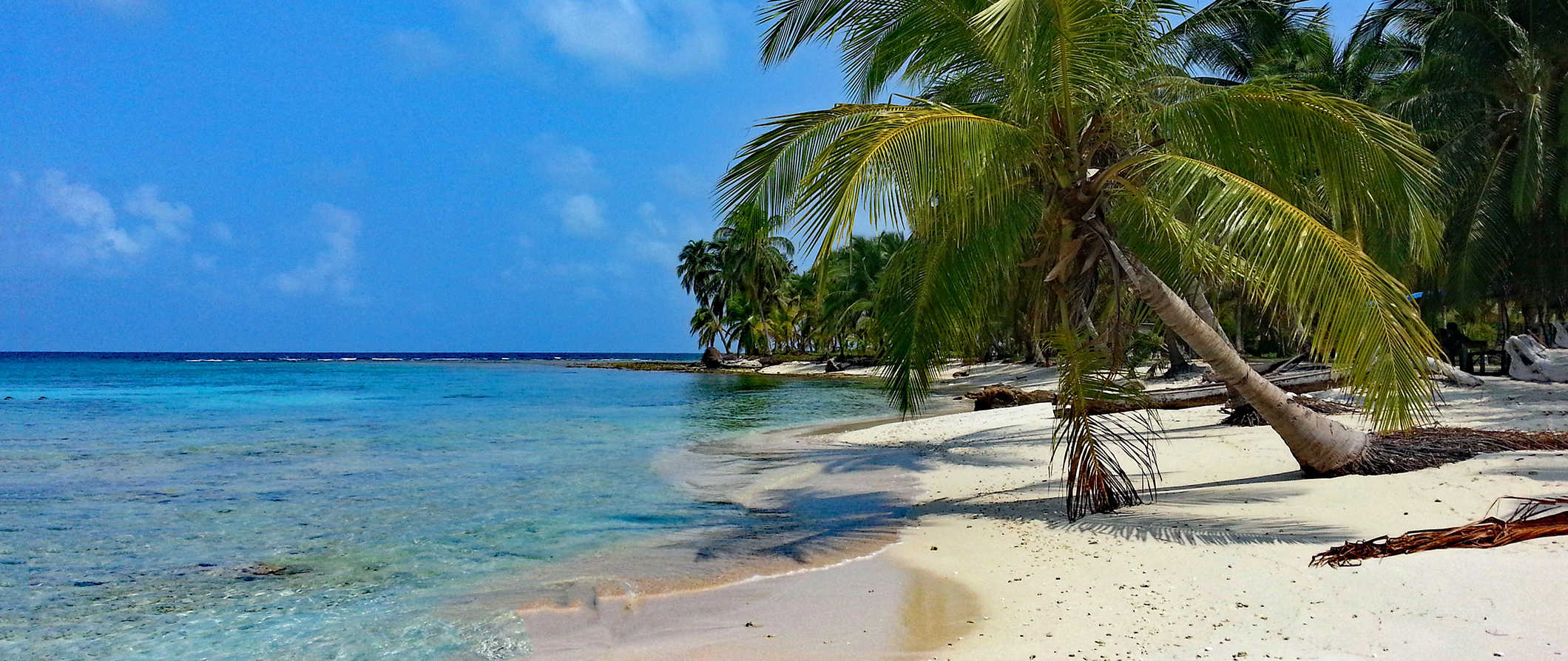
This collection of 378 islands is a popular spot for sailing and boat tours (there are lots of resorts here too). These mostly uninhabited islands are under control of the Guna indigenous people and are still very rustic (no Wi-Fi, limited electricity), allowing them to maintain their raw beauty for ecotourism. The lodging there is made up of simple huts, hammocks, and tents. You can also opt to do a sailing tour around the area and stay on a boat. Most 3-day/2-night sailing tours cost around $285 USD, including food, while a 4-day sailing trip costs $559 USD. You can also visit on a day trip if you’re short on time
5. Tour a coffee plantation
Panama is up there with Colombia, Peru, and Costa Rica when it comes to quality coffee. In fact, they are internationally known for their geisha coffee beans, which they use to brew their specialty Arabica coffee. Consider visiting a plantation in Boquete for the best tours. Most last 2.5-3 hours and cost around $30 USD, which includes a tasting and transportation. Check out Finca Dos Jefes and Finca Casanga for tours.
Other Things to See and Do in Panama
1. Check out the ruins of Panama Viejo
Founded in 1519 by Spanish conquistador Pedro Arias de Ávila, Panama Viejo (“Old Panama”) was once the country’s capital. It was one of the Pacific coast’s busiest Spanish trading towns until it was destroyed by Captain Henry Morgan in 1671. The remaining ruins are spread out over 57 acres and include the original cathedral (you can climb the bell tower for an amazing panoramic view), a hospital, and churches and convents. Because of it is historic significance, in 1997 it was declared a UNESCO World Heritage Site together with Panama City’s historic Casco Viejo neighborhood. Admission is $15 USD for adults and $2 USD for kids. It’s only a 10-minute drive or 30-minute bus ride from Panama City.
2. Bike along Amador Causeway in Panama City
This 6-kilometer (4-mile) causeway is made from the excavated rocks of the Panama Canal and links Panama City with three islands: Flamenco, Naos, and Perico. It’s an easy ride and you’ll have a view across the canal on one side and the city skyline on the other. There are plenty of restaurants to stop at along the way too. You can rent bikes on the causeway; expect to pay $10-20 USD for a rental.
3. Take the Panama Canal Railway
The Panama Canal Railway connects Panama City with Colón and runs from the Pacific Ocean to the Atlantic Ocean with this scenic 76-kilometer (47-mile) route. The train is an old-fashioned locomotive complete with an observation car that offers views of the canal, Gutan Lake, and the passing rainforests. The three-hour round-trip journey costs $50 USD ($30 USD for children aged 2-12).
4. Visit Portobelo
Christopher Columbus named this settlement Puerto Bello or “Beautiful Harbor” when he arrived there in 1502. Over time, it was shortened to Portobelo. The settlement became an important town at the northern end of the Gold Road, and its 18th-century fortifications were built by the Spanish to protect their gold from pirates. You can still see the original canon battery and the crumbling ruins of the fort. Portobelo is also a good launching point for sailing trips to San Blas. The cuisine in Portobelo has a lot of African influences as well, including curries, coconut, seafood, and fragrant spices (head to Casa Congo for an authentic taste of Congolese food).
5. Hit the beach in Pedasi
Located on the Pacific side, this town is located five hours from Panama City and is known for its surfing. Though it has become a haven for expats in recent years, it’s still not really “on” the tourist trail. Not a lot of people go here and you’ll have the beaches mostly to yourself. The water is warm and you can find surf lessons at Shokogi Surf School starting from about $40 USD for one hour for a private lesson and $30 for a group class in Playa Venao. This is also a prime spot to see humpback whales from May-November.
6. Hike in the rainforest parks
Parque Metropolitano is a rainforest in the center of the city, a short 15-minute walk from the Albrook Shopping Center. Admission is only $4 USD and, if you hike up to the top of Cedar Hill, you’ll have fantastic views over the city. Keep an eye out for sloths, toucans, hummingbirds, pacas, monkeys, and anteaters. Parque Soberania (admission $5 USD) stretches along the shores of the Panama Canal and is the most easily accessible rainforest from Panama City. This park is a bird watchers’ paradise, with over 500 different species. The ride from Panama City takes 25 mins. Parque Chagres (also $5 USD) is a bit further away (it’s about 65 kilometers/40 miles north of Panama City) but worth the trip for the variety of wildlife: 114 mammal species (including big cats), 96 species of reptiles and 396 species of birds!
7. Spot wildlife at Volcan Baru
Volcan Baru is the only volcano in Panama, and, at 11,500 feet, also the highest point in the country. The lower slopes are home to dozens of coffee plantations, while the higher ground is part of the Volcan Baru National Park. Bring your camera as the rainforest here is a good place to spot the colorful Resplendent Quetzal, which is considered one of the most beautiful birds in the world for its bright coloring. Expect to pay around $75-85 USD for a guided hike. For $120-150 USD, you can take a bumpy 4×4 ride up to the summit at the crack of dawn to see the sunrise. You can also hike the volcano independently.
8. Surf in Santa Catalina
Santa Catalina, located on Panama’s Pacific Coast, a six-hour drive west of Panama City, is a hotspot with the surfing community. Only 300 people live in this town on the Pacific coast, so don’t come here expecting fancy resorts or high-end dining. This is the place to be if you want to catch some fantastic waves and relax on some sandy beaches. If you want to learn how to surf, check out the surf camps where you can pay $225 for two-day camps and that includes accommodation, food, surfboard rentals, and lessons. For private lessons, expect to pay around $40 USD for a two-hour class.
9. Canoe to Embera Indian Village
To get to this village, which is located inside Chagres National Park, you’ll need to paddle up the Chagres river in a dugout canoe and then walk through a rainforest, giving you the chance to really immerse yourself in the surrounding nature. When you finally meet the Embera tribe you’ll be offered traditional food, music, and dancing followed by the chance to buy the tribe’s handicrafts or go for a swim under a waterfall. Day tours from Panama City cost between $85-175 USD per person, depending on how many people are going.
10. Explore Casco Viejo
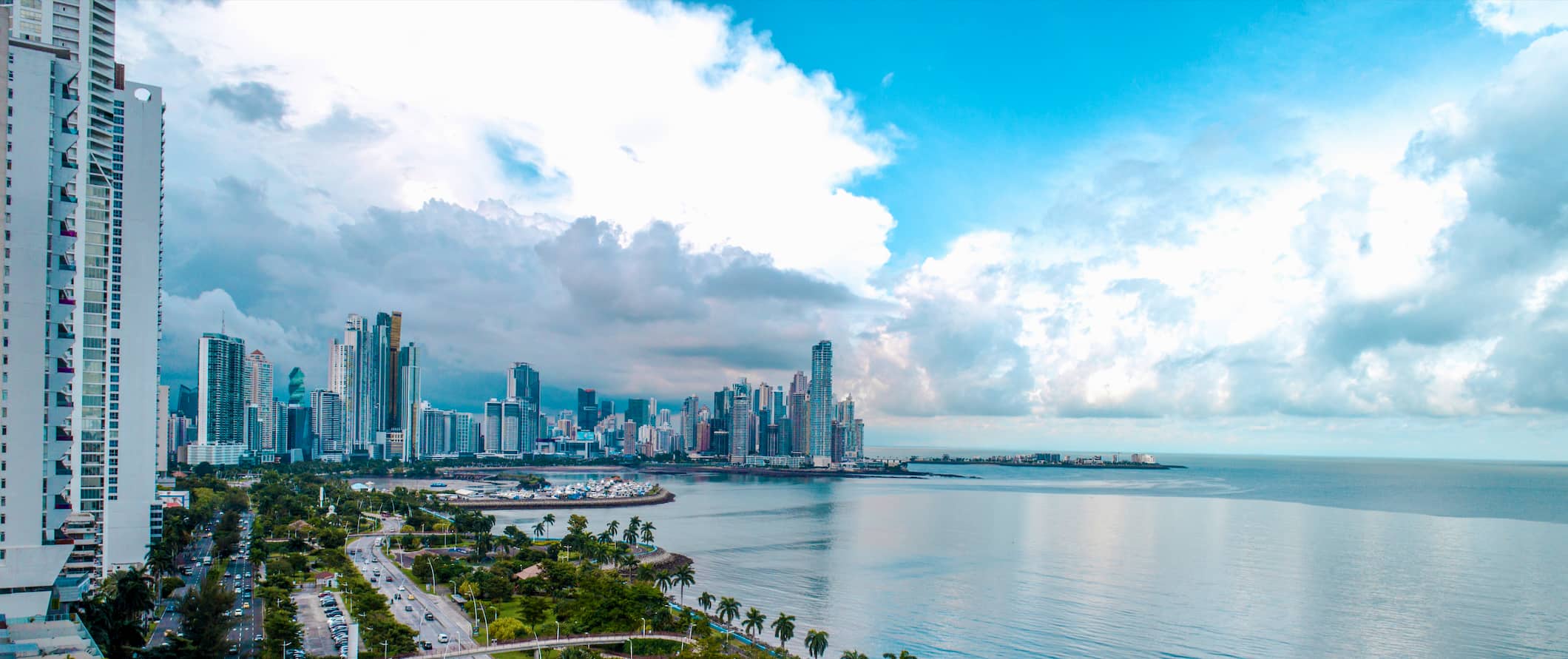
Casco Viejo (“Old Quarter”) is the historic district of Panama City and the oldest city in all of the Americas. These days, the city’s red-bricked streets are lined with restaurants, cafes and bars, though the Spanish-colonial style architecture makes Casco Viejo feel worlds apart from the glitzy skyscrapers of the newer parts of Panama City. There’s a coastal fortification walk, churches, and cute little squares to admire. It’s a popular place to stay and eat in and watch the sunset from one of the many rooftop bars. Head to Mercado de Mariscos (the fish market) for a $3 USD cup of ceviche (a dish of diced fish that has been cured in lemon juice, with onions, peppers, and spices).
For more information on specific cities in Panama, check out these guides:
Panama Travel Costs
Note: Panama uses both the Panamanian Balboa (PAB) and US Dollars. Even though the PAB still exists, US Dollars predominate in day-to-day use (you’d be hard pressed to even find Balboas when visiting Panama).
Also, be advised that ATMs can be found in all larger towns and in touristy areas like Bocas del Toro, but if you’re planning to venture off the beaten path, check beforehand if there’s an ATM, or take out enough cash in advance. The San Blas Islands, for example, do not have any ATMs. Be aware that in most of Panama outside the capital, cash is king, and credit cards aren’t accepted in a lot of places.
Accommodation – Accommodation is cheap in Panama with a night in a hostel dorm costing $12-30 USD for a 6-8-bed dorm. A 10-bed dorm is usually around $10 USD. Private rooms range from $25-45 USD per night. All hostels offer free Wi-Fi and some include free breakfast.
Prices don’t really fluctuate much in the off-season – you might end up paying $1-2 USD less per night, but it isn’t significant.
Camping is available around the country at $5-10 USD per night for a basic plot for a tent without electricity.
Budget two-star hotels start around $30 USD per night. For a 3-star hotel or higher, expect to pay at least $65-80 USD per night. In the off-season, prices drop $5-10 USD per night.
Airbnb is available around the country, with an entire home or apartment starting at $50 USD per night (but average double that price or more). Private rooms start at $20 USD per night but usually average triple that price. Book in advance for the best deals.
Food – Panamanian cuisine features rice, black beans, yuca (a starchy vegetable similar to the potato), plantains, beef, chicken, and seafood. Common dishes include empanadas, chicken and rice, fried fish, and ceviche (a raw fish dish with lemon).
Local food-stall meals cost around $3-5 USD and get you chicken, rice, and beans. In a specialty coffee shop, you’ll pay between $3.50-5 USD for a coffee in Panama City, and between $2-4 USD in Boquete. Fish markets anywhere in the country usually have freshly-caught lunches for around $6 USD.
Breakfast is around $5 USD in a sit-down restaurant while a sandwich in a restaurant with table service averages $6-9 USD. Restaurants with table service generally cost around $10 per meal but remember to avoid restaurants with English menus as they’re usually more expensive.
For a nice meal with wine, expect to pay around $40 USD for 2-3 courses. A pint of domestic beer at a bar costs around $2.50 USD.
If you want to cook for yourself, expect to pay between $35-50 USD for a week’s worth of groceries including staples like fruit, veggies, rice, beans, and some meat.
Backpacking Panama Suggested Budgets
If you’re backpacking around Panama City, expect to spend about $45 USD per day. This includes staying in a hostel dorm, limiting your drinking, cooking your meals, using public transportation to get around, and doing mostly free and cheap activities like hiking and wandering the Old Town.
On a mid-range budget of around $150 USD per day, you can stay in a private Airbnb, enjoy a few drinks, eat out for a few meals, take the occasional taxi, and do some paid activities like visiting the canal.
On a “luxury” budget of $220 USD per day or more, you can stay in a hotel, eat out for all your meals, drink more, take more taxis, and do whatever tours and activities you want. This is just the ground floor for luxury though. The sky is the limit!
Panama Travel Guide: Money-Saving Tips
Panama isn’t hugely expensive but it is more expensive than other countries in the region so you’ll have to work a little to save money here. Here are some of the best ways to save money in Panama:
- Travel off-season – Traveling is cheaper during the rainy season, between April and November. Most tourists visit Panama between December and April – that’s when hotel prices go up, especially in popular destinations like Bocas del Toro.
- Eat at the local food stands – Meals at local food stalls cost between $4-5 USD. You’ll get rice, chicken, beans, and a drink. I didn’t love the food in Panama (it’s quite greasy) but at those prices, it made eating very cheap.
- Avoid taxis – I found taxis here to be a complete rip-off. As my friend JP says, “You get Gringoed.” They were also far more unwilling to negotiate. I’d try to avoid them if possible.
- Refill your water – In most of the country, you can drink the tap water. There’s no need to always buy new water bottles so save yourself a few dollars a day and fill up from the tap. The only places you can’t drink from the tap are the islands (including Bocas del Toro). To ensure your water is safe, use a LifeStraw water filter.
- Stick to beer – Beer is much cheaper than cocktails so stick to beer if you go out drinking. It’s much cheaper!
- Carry small change – Most taxis and small shops won’t accept larger bills for small purchases so make sure you carry change.
- Embrace the bus! – Long-distance buses in Panama are a few steps above the infamous “chicken buses” so often found here in Central and South America. While a far cry from luxurious, they are good enough for long-distance journeys if you’re on a budget (there are still plenty of chicken buses though if you want to give them a try!).
- Stay with a local – There are tons of hosts (and lots of community events) in the larger cities of Panama, making this a great country to Couchsurf in. Pick up some tips and save some money by staying with a local!
- Barter hard – If you’re hopping ferries around Bocas del Toro make sure you barter hard. Much like the taxis in the city, you’ll likely be charged more than the locals so barter hard and make sure you know what you should be paying.
Where to Stay in Panama
Panama has plenty of fun and social hostels to stay at. Here are some of my suggested places to stay:
- Hostal Casa Areka (Panama City)
- Magnolia Inn Casco Viejo (Panama City)
- El Machio (Panama City)
- Bambuda Castle (Boquete)
- Spanish By the River (Boquete)
- Bambuda Lodge (Bocas del Toro)
How to Get Around Panama
Bus – The cheapest and easiest way to get around Panama is by bus. The bus system runs frequently throughout the day and throughout the entire country. Expect to pay less than $1 USD per hour traveled.
Long-distance buses are usually modern and air-conditioned, and night buses exist for longer journeys (like Panama City to Bocas del Toro). There is no online ticket booking system in Panama, you just show up at the bus station and buy your ticket at the counter.
For most routes, you can buy same-day tickets, but for night buses and longer journeys, it is recommended to buy your ticket a day in advance. Expect very basic buses in the smaller towns around the country – you’ll be riding Diablos Rojos (“Red Devils”): old repurposed American school buses that are colorfully painted.
There are two companies that offer services from Panama City all the way to Costa Rica: Expreso Panama and Tica Bus. Their ticket offices are inside the main bus station in Panama City which is inside the Albrook Mall.
Train – Train travel doesn’t exist in Panama. The Panama Canal Railway operates one train between Ciudad Panama and Colon on weekdays and that’s it.
Flying – Air travel is possible within Panama but is not recommended. The most common domestic connection is between Panama City and Bocas del Toro. The 1-hr flight is between $130-$145 USD. You can also fly from Panama City to David (near Boquete), Pedasi, Chitre, the San Blas Islands and the Pearl Islands. The 1-hr flight from Panama City to David costs $134 USD, vs. a 6-hr bus ride for only $9 USD.
If you’re on a budget, I wouldn’t recommend flying.
Car Rental – It is safe to drive in Panama, but be aware that rental agencies are scarce outside Panama City. Rentals cost around $15-20 USD per day. Websites like Expedia often advertise car rentals from $1 USD per day, but be aware that rental agencies charge additional fees and insurance. Most rental agencies require drivers to be at least 25, though some will accept drivers at 21 if they have a credit card.
For the best car rental prices, use Discover Cars.
Hitchhiking – Hitchhiking isn’t common among locals and it’s not something I would really recommend doing here. I’ve done it for a ride from the beach back into town (it was a small town) but I wouldn’t do it in a big city or across the country. For more information on hitchhiking, check out Hitchwiki.
When to Go to Panama
Panama has a short dry season between December and April, which is when you’ll get to enjoy clear blue skies. That said, Panama is less than 9 degrees north of the equator, which means temperatures are consistent year-round. The lowland regions are always hot and humid, but the highlands (Boquete, El Valle, Cerro Punta) can give you a bit of retreat from the heat – at least at night when it is a little cooler there.
Daytime temperatures in Panama average 30-33°C (86-91°F), and nighttime temperatures are around 21-23°C (69-73°F).
The rainy season lasts from May to December, but keep in mind that it usually only rains from late afternoon into the night. That means mornings and early afternoons can still be enjoyed. The rainiest month is November. If you visit during the rainy season, pack a rain jacket and avoid the highlands.
You never really have to avoid peak-season crowds in Panama; it’s never very crowded here, aside from certain areas (like Panama City) where cruise ships dock and crowds flood the streets for a few hours each day.
How to Stay Safe in Panama
Like neighboring Costa Rica, Panama is one of the safest countries for traveling and backpacking in Central America. That said, you’ll still want to be vigilant for petty crime.
Petty theft (including bag snatching) is one of the most common types of crime in Central America and it happens a lot in parts of Panama City as well as Colon. Always be vigilant and make sure your bag is properly worn and never left unattended.
The only city in Panama that is considered dangerous is Colon. Colon has the highest homicide rate of any municipality in Panama and you don’t want to wander after dark. Panama City, Herrera, and Chiriqui also have higher petty crime rates than elsewhere in the country so keep your valuables secure and do your best to fit in.
Some neighborhoods in Panama City can be a bit sketchy, including Curundu, El Chorrillo (which surrounds the neighborhood of Casco Viejo) and El Marañón. Avoid these areas after dark and don’t flash valuables like your phone or expensive jewelry.
Solo female travelers should generally feel safe here, However, the standard precautions apply (never leave your drink unattended at the bar, never walk home alone intoxicated, etc.).
The Darien Gap, the border region between Panama and Colombia, is considered extremely dangerous due to Colombian rebel groups and drug traffickers who operate there, but it isn’t really on travelers’ itineraries so it’s unlikely you’ll be anywhere near that but, if you are, keep a watchful eye out.
Don’t carry more cash on you than you’re planning to spend, and leave your passport and credit cards in your hotel room/hostel. Make copies of your personal documents, including your passport and ID.
Keep an eye out for common scams against tourists, such as fake ATMs, taxis that don’t use a meter, and questionable tour operators.
If you experience an emergency, dial 911.
The most important piece of advice I can offer is to purchase good travel insurance. Travel insurance will protect you against illness, injury, theft, and cancellations. It’s comprehensive protection in case anything goes wrong. I never go on a trip without it as I’ve had to use it many times in the past.
Panama Travel Guide: The Best Booking Resources
These are my favorite companies to use when I travel. They consistently have the best deals, offer world-class customer service and great value, and overall, are better than their competitors. They are the companies I use the most and are always the starting point in my search for travel deals.
- Skyscanner – Skyscanner is my favorite flight search engine. They search small websites and budget airlines that larger search sites tend to miss. They are hands down the number one place to start.
- Hostelworld – This is the best hostel accommodation site out there with the largest inventory, best search interface, and widest availability.
- Booking.com – The best all around booking site that constantly provides the cheapest and lowest rates. They have the widest selection of budget accommodation. In all my tests, they’ve always had the cheapest rates out of all the booking websites.
- Get Your Guide – Get Your Guide is a huge online marketplace for tours and excursions. They have tons of tour options available in cities all around the world, including everything from cooking classes, walking tours, street art lessons, and more!
- SafetyWing – Safety Wing offers convenient and affordable plans tailored to digital nomads and long-term travelers. They have cheap monthly plans, great customer service, and an easy-to-use claims process that makes it perfect for those on the road.
- LifeStraw – My go-to company for reusable water bottles with built-in filters so you can ensure your drinking water is always clean and safe.
- Unbound Merino – They make lightweight, durable, easy-to-clean travel clothing.
- Top Travel Credit Cards – Points are the best way to cut down travel expenses. Here’s my favorite point earning credit cards so you can get free travel!
Panama Travel Guide: Related Articles
Want more info? Check out all the articles I’ve written on backpacking/traveling Central America and continue planning your trip: