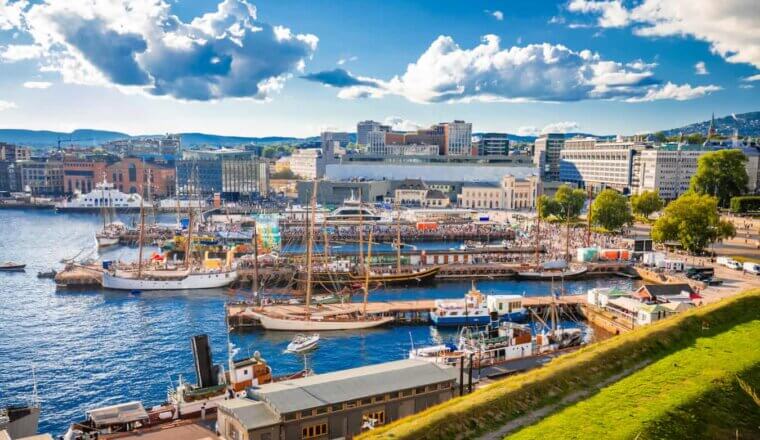
The picturesque, cosmopolitan city of Oslo is the capital of Norway. Located in the southeast corner of the country, this coastal city is bursting with greenery and outdoor activities, cool museums, lots of art, amazing seafood, and more.
Oslo makes for an excellent base to explore southern Norway as well as a fun weekend getaway destination. There are plenty of hiking and biking trails nearby, as well as ample opportunities to swim, fish, go boating, and ski.
While not the cheapest city in the world (it’s actually one of the most expensive), it’s nevertheless worth a visit to see the incredible fjords and take in the relaxed place of Scandinavian life. There are lots of free and cheap things to do as well, so you don’t have to break the bank.
I love my visits here and I’m confident you will too!
This travel guide to Oslo can help you plan your trip, save money, and make the most of your time in the city.
Table of Contents
Top 5 Things to See and Do in Oslo
1. Hang out at the Opera
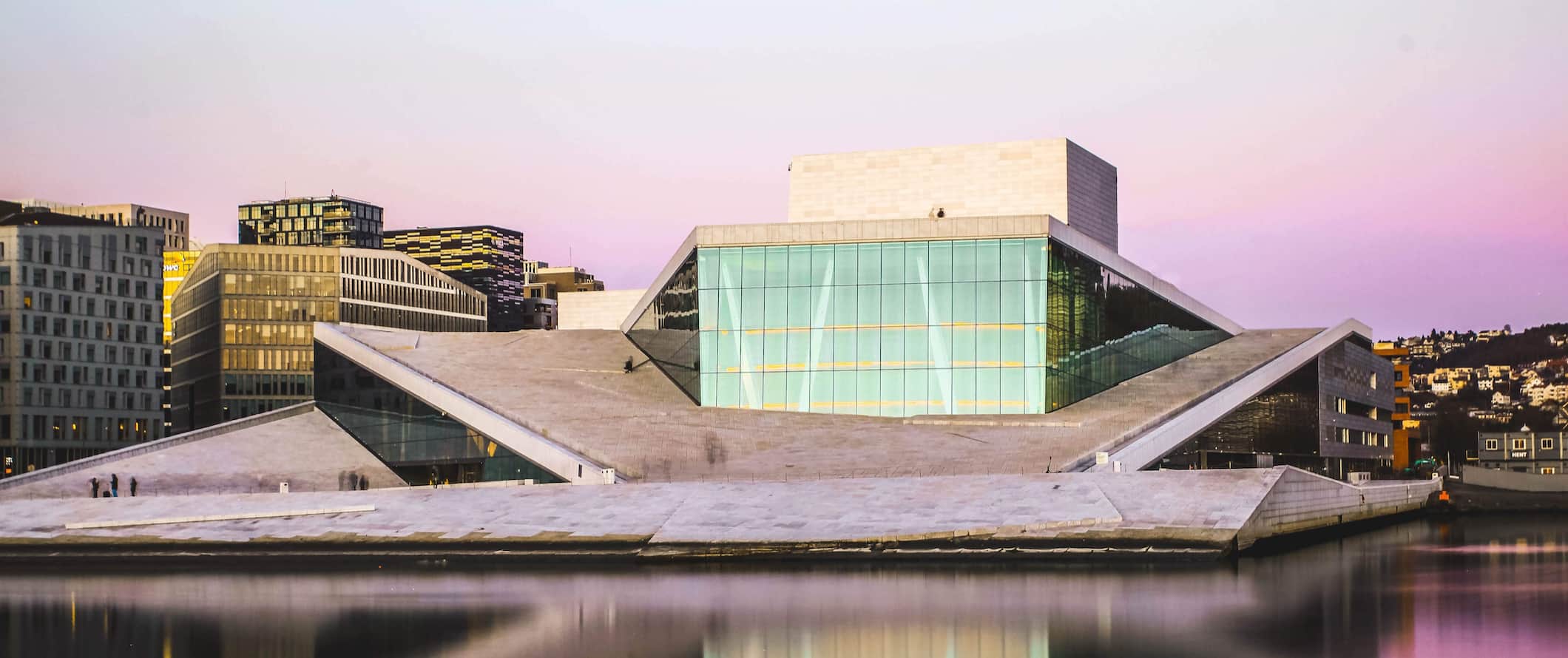
Norway’s largest performing arts institution is home to the world’s first opera house rooftop. Opened in 2007, the building itself is composed of multiple flat levels that essentially act as small plazas, allowing visitors to walk on the roof and enjoy the view of the harbor and city. It’s a popular spot to watch the sunset when the weather is nice. Ticket prices for the opera and ballet vary for each production but expect to pay at least 200 NOK. If you don’t mind standing, there are some tickets available for 100 NOK. There are also occasional “balcony concerts” performed by students, which are free and a great way to enjoy music on a budget. Daily guided tours of the building are available in English. They last 50 minutes and cost 120 NOK.
2. Explore Akershus Fortress
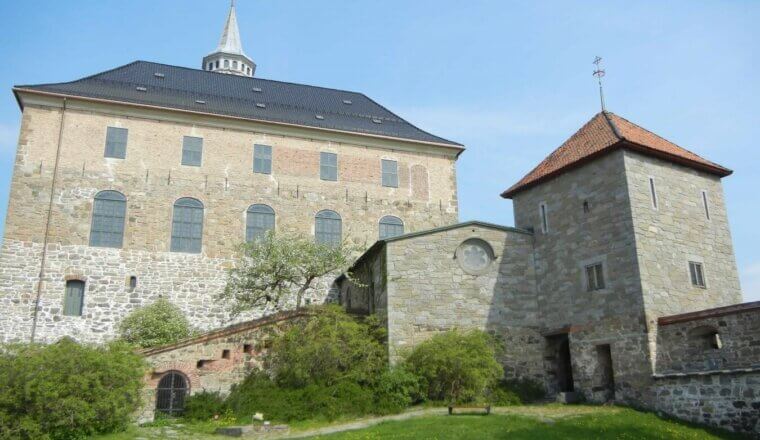
Akershus Fortress is a medieval fortress originally commissioned in 1299 that later evolved into a Renaissance palace under Danish King Christian IV. In World War II, the Germans used the fort to execute dissidents. After the war, Nazi collaborators were executed here. Today, it’s a temporary office for the Prime Minister. There is a small museum inside that highlights the fort’s turbulent history. Admission is free.
3. Wander Vigeland Sculpture Park
Located in Frogner Park, is the world’s largest display of sculptures created by a single artist. Gustav Vigeland (1869–1943) created over 200 bronze, iron, and granite statues that now stand in the open-air “gallery” (which covers a whopping 80 acres). The crying baby statue is the most famous. In the summer, there are often events held here as well. It’s open daily and free to visit.
4. Go swimming
Oslo has many outdoor areas that are ideal for swimming, from rivers to lakes to the Oslo fjord itself. The water here is clean and safe too. Tjuvholmen City Beach, Sørenga Seawater Pool, and Huk (Oslo’s popular beach for a younger crowd) are three places worth checking out if you’re looking to take a dip. You’ll usually see plenty of locals enjoying the water — even in the winter!
5. Explore Nordmarka Wilderness Area
Spanning over 430 acres and just 30 kilometers (19 miles) from Oslo’s city center, you can find everything from biking to swimming to skiing in the Nordmarka Wilderness Area. There are huts available for overnight stays too. For a challenging day hike, try the “Voksenkollen til Bjørnsjøen” trail. It’s around 25 kilometers (15 miles) and takes just over 8 hours to complete. For something shorter, try the moderate “Frognerseteren til Sognsvann” trail, which is around 11 kilometers (8 miles) and takes 3.5-4 hours.
Other Things to See and Do in Oslo
1. Take a free walking tour
One of the best ways to learn about a new destination is to take a free walking tour. You’ll get to see the main sights while having an expert local guide on hand to answer your questions. I always start my trips off with a free walking tour as they are the best way to get oriented and learn a little bit about the local history and culture. Free Tour Oslo offers an insightful 90-minute tour around the city. Just be sure to tip your guide at the end!
2. Visit the Blomqvist Auction House Gallery
Established in 1870, Blomqvist is one of the oldest and largest auction houses in Norway. Located in the city center, it is an excellent place to stop to see traditional Norwegian art and antiques such as glass, silver, china, furniture, carpets, and even jewelry. Sure, you may not want to fork out a fortune on art or antiques at their auctions but it’s a nice gallery to spend some time exploring. You can also visit their website to see what is available for auction as there is an ever-rotating list of art and antiques on offer.
3. Learn some Norwegian history at Norsk Folkemuseum
There are many museums throughout Oslo showcasing Norwegian history and Viking tales, but this is the most interesting. Home to over 150 buildings, this open-air museum lets you immerse yourself in the history of the country. The biggest attraction is the Gol Stave Church, which dates to 1200 CE. Other incredible sights to see are the 14th-century farmhouses and the 18th-century tenement buildings. This is a fun activity that blends entertainment and education, so it’s a great choice for anyone traveling with children. Admission is 140 NOK in winter and 180 NOK in summer.
4. Check out the Viking museum
The Viking Age was a period of time from around 800-1066 that saw a massive expansion of Scandinavian conquests and exploration (they traveled as far as Canada in the west and to modern-day Turkey in the east). This museum is home to the world’s best-preserved Viking ships, which date to the 9th century. It’s also home to the largest Viking burial ship in the world. There is an array of preserved boats and carts that date back to the Middle Ages as well. Admission is 179 NOK.
5. Visit Kampen Ecological Children’s Farm
Located in Eastern Oslo, “Kampen Barnebondegård” is an urban ecological farm that was set up for children to learn about vegetables, herbs, and animals (they have horses, pigs, sheep, goats, chickens, and more!). On weekends, there’s a small cafe available with homemade treats. It’s a great stop for a laid-back, kid-friendly afternoon that’s both fun and educational. Hours are limited outside of the summer so be sure to check their website and/or social media before you go.
6. Shop in Grünerløkka
Located slightly north of Oslo’s city center, Grünerløkka is ideal for an afternoon of perusing independent shops. You can expect to find artisanal handicrafts, clothing, pottery, and various other trinkets, in addition to record shops and second-hand bookstores. There are cafes, flea markets, and bakeries here too, making it ideal for a relaxing day of exploring the city on foot. There are also a few clubs here so at night the area livens up even more.
7. See the National Gallery
The National Gallery contains Edvard Munch’s famous painting “The Scream” (which was made in 1893 and has been stolen twice). The gallery is small, but there are a lot of artists on display. It has some Impressionist and Dutch works, as well as some pieces by Picasso and El Greco. It’s not the most expansive collection, but it is still worth a visit, especially if you’re a fan of more classical art styles (like me).
8. Stroll along Aker Brygge wharf
Perfect for an afternoon stroll and host to the largest concentration of restaurants in Oslo, Aker Brygge is located southeast of Oslo’s city center. Enjoy a wide array of foods ranging from French cuisine to traditional Nordic dishes, or a simple day of window shopping and architectural admiration. There are also lots of food trucks around here in the summer. The wharf has something for everyone and is a great place to spend a couple of hours window shopping, people-watching, and admiring the view of the fjord.
9. Wander through the Botanical Garden
The perfect place to relax after exploring the city, Oslo’s Botanical Garden has over 1,800 different plants. Largely set up as an Arboretum, the Botanical Garden also offers two greenhouses of exotic plants (which date to 1868 and 1876 respectively) and a “Scent Garden” designed specifically for the blind so they could enjoy a sensory experience. There are lots of benches so you can sit down with a book and relax, as well as works of art throughout the garden. Entry is free.
10. Join the Korketrekkeren Toboggan run
The toboggan run begins in Frognerseteren and is an exciting way to take part in a traditional Norwegian winter activity. The track is over 2,000 meters (6,500 feet) long and sleds are available for rent (including helmets) for 100-150 NOK per day. You can take as many rides down the track as you like as it’s free to ride. The ride itself takes almost 10 minutes and then it takes about 15 minutes to get back to the top. The track is only available when there is snow so the schedule varies, but it’s incredibly fun and popular with the locals!
11. Visit the Fram Museum
Located on the Bygdøy Peninsula, this museum is all about Norwegian polar exploration. Opened in 1936, the museum honors explorers like Roald Amundsen (who led the first expedition to the south pole in 1911) and Fridtjof Nansen (who crossed the Greenland interior on skis in 1888). You’ll learn about the expeditions and how the people (and their animals) survived the harsh conditions. The museum also has exhibits of the animals of the polar regions, such as penguins and polar bears, as well as a Northern Lights show to give you a sense of what the Aurora Borealis actually looks like. Admission 140 NOK for adults and 50 NOK for kids.
12. See the Kon Tiki Museum
Another museum about exploration, the Kon Tiki museum highlights the adventures of Thor Heyerdahl, the 20th-century explorer and anthropologist. In 1947, Thor sailed from Peru to the Polynesian islands on a balsa wood raft to prove that Polynesians migrated from South America, not Asia. (While he succeeded in his journey, his theory was ultimately proven incorrect). He also sailed from Morocco to Barbados on another traditional raft to prove that the Egyptians could have crossed the Atlantic. At the museum, you’ll get to see his two boats and learn about his voyages, discoveries, and challenges. Admission is 140 NOK.
13. Take a fjord cruise
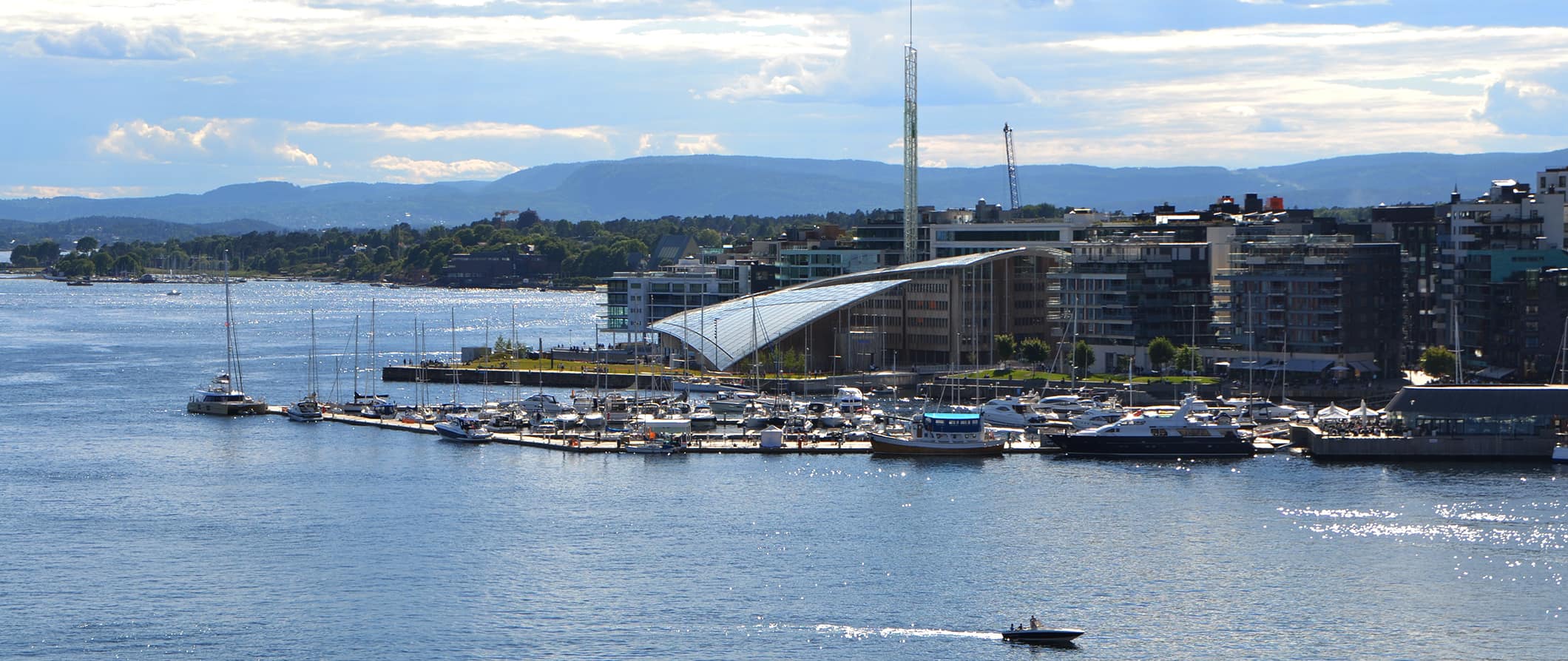
Oslo is enveloped by the Oslo fjord (a narrow inlet with towering cliff walls). It’s full of narrow sounds and serene bays, and there are tons of small islands dotting the waters. Cruises usually last a couple of hours and take you up and down this idyllic landscape. They’re available all year round, as the fjord is stunning in every season (though it’s especially beautiful in the summer). Expect to pay around 390 NOK for a two-hour cruise. Get Your Guide is the best place to find a cruise that suits your budget.
Oslo Travel Costs
Hostel prices – Accommodation (much like everything in Norway) is not cheap. Hostels start around 390 NOK per night for a 6-8-person dorm. Private rooms cost around 800-900 NOK. Free Wi-Fi is standard and most hostels also have self-catering facilities. Free breakfast is rare, though it is offered by a couple of hostels in the city.
Additionally, most hostels in Norway charge a 50 NOK surcharge for linens, as is the custom in Scandinavia. You can bring your own, however, you cannot use a sleeping bag instead.
For those traveling with a tent, wild camping is legal (and free). Norway has ‘Freedom to Roam’ laws (called “Allemannsretten”) that allow anyone to camp anywhere for up to two nights as long as it’s not on cultivated land. You’ll need to make sure you are not camping near someone’s house, that you take all trash with you when you leave, and that you aren’t in a farmer’s field or garden. But other than that, you can pretty much pitch your tent anywhere!
If wild camping is not your thing, campgrounds are also common though many require a Camping Key Europe card. You can purchase it at your campsite for 210 NOK or online (for a discount). Most campsites have modern facilities, including toilets and showers. Expect a basic tent plot with space for two people to cost around 200 NOK per night.
Budget hotel prices – A three-star budget hotel (there are no two-star budget hotels in Oslo) starts around 600-800 NOK for a double room. Expect basic amenities like free Wi-Fi, coffee/tea makers, and a TV. Some hotels include a basic free breakfast too. For a hotel with a pool, expect to pay at least 1,200 NOK per night.
Private rooms on Airbnb start around 480 NOK per night while an entire house/apartment costs at least 800-1,000 NOK per night. Be sure to book early, otherwise, prices can double (or even triple).
Food – Food is expensive in Oslo — there are just no two ways about it. A lot of food has to be imported so anything that isn’t grown here is going to be pricey. Seafood is incredibly popular, with smoked salmon being one of the country’s staples. Cod is also super popular, as are prawns and crab (locals host “crab parties” when they are in season). Lamb is the most popular meat, and open-faced sandwiches are the go-to choice for both breakfast and lunch (usually composed of dark bread, cheese, and either meat, seafood, or vegetable topping).
Street food like hot dogs costs between 25-45 NOK and you can usually find “cheap” meals of traditional cuisine for just under 200 NOK at inexpensive casual restaurants. For a multi-course meal with table service, expect to pay double that.
Fast food (think McDonald’s) costs around 120 NOK for a combo meal while Chinese food starts at 150 NOK for a main dish. A basic large pizza starts at 110 NOK (140 NOK for one with more toppings).
Beer at the bar costs around 97 NOK though you can get it for less than half that price if you buy it at the store. Lattes/cappuccinos cost around 45 NOK while bottled water is 30 NOK.
Grocery shopping here is the cheapest way to get by on a budget. Expect a week’s worth of groceries to cost around 725 NOK. This includes basic staples like rice, pasta, vegetables, and some meat or fish.
Backpacking Oslo Suggested Budgets
On a backpacking budget of 600 NOK per day, you can stay in a hostel dorm, cook all your meals, take public transportation to get around, limit your drinking, and do free activities like swimming and hiking. If you plan on drinking, add 50-150 NOK per day to your budget.
On a mid-range budget of 1,500 NOK per day, you can stay in a private hostel room or Airbnb, eat out for some meals, take the occasional taxi to get around, enjoy a couple of drinks, and do paid activities like museum visits or opera performances.
On a “luxury” budget of 2,600 NOK or more per day, you can stay in a hotel, eat out for all your meals, drink more, rent a car to get around, and do more paid activities and guided tours. This is just the ground floor for luxury though. The sky is the limit!
Oslo Travel Guide: Money-Saving Tips
Oslo is an expensive city in an expensive country. It takes some work to save money. Even McDonald’s costs a lot of money. Saving money here takes a lot of work and vigilance but it can be done! Here are some tips to save money in the city:
- Cook your own food – Food is very, very expensive in Norway so the best thing you can do is cook your own meals. Go grocery shopping and stick to buying local and seasonal food. it’s not fancy but it can save you a ton!
- Eat cheap – If you do decide to eat out, your cheapest options are shawarma and pizza. They can be found all around the city.
- Stay with a local – The best way to avoid expensive hostels is to not stay in them! Couchsurfing can connect you with local hosts who offer free accommodation (usually just on a couch). It’s not fancy, but you’ll get insider tips and a free place to stay — all while making a new friend!
- Camp – Free public camping laws allow you to camp in the parks and public lands for free as long as you have your own tent. You can stay up to two nights in an area as long as you are quiet and respectful. Make sure to leave the area as you found it! If you plan on camping a lot, make sure to get the Camping Key Europe card. It offers discounts to most of Norway’s campgrounds.
- Get the Oslo Pass – If you plan on visiting lots of museums and using public transportation, this pass is going to save you money. The 24-hour pass is 445 NOK while you can also get a 48-hour pass for 655 NOK and a 72-hour pass for 820 NOK.
- Take advantage of Oslo’s free activities – Stick to free places like the Botanical Garden, Church ruins in Maridalen, Ekebergparken Sculpture Park, Akershus Fortress, Oslo Cathedral, Intercultural Museum, and Monastery Ruins at Hovedøya. If you’re into art, check out Kunsthall Oslo, Gallery LNM, Fineart Oslo, Gallery TM51, Gallery, and Semmingsen.
- Stay sober – At around 100 NOK per drink (often more!), going out destroys your budget. While Norwegians love to go out and have a good time, if you are on a tight budget, skip the drinks. Better to save your money for sailing around the fjords.
- Buy your drinks at the store – If you do plan on drinking, buy your drinks at the Vinmonopolet (the state-run chain of stores that sell alcohol). You’ll save 50% or more doing this!
- Travel with friends – If you rent a car to get out of the city (which is the best way to see the surrounding areas), try to find people to join you to share costs. You can use the Couchsurfing app or just ask around in hostels to find people. This will help you save money on gas and rental prices — which can eat into your budget quickly!
- Bring a reusable water bottle – The tap water here is super clean, so bring a reusable water bottle to save money and lower your plastic usage. LifeStraw makes a bottle with a built-in filter so you can always ensure your water is clean and safe.
Where to Stay in Oslo
Oslo only has a few hostels worth staying at. Here are my recommended places to stay:
How to Get Around Oslo
Public transportation – Public transportation in Oslo is efficient, reliable, and clean. Tickets are priced per zone and start at 39 NOK. You can get a 24-hour pass starting at 117 NOK for one zone and a 7-day one-zone pass starting at 323 NOK.
You can buy your ticket onboard, however, it is more expensive that way. To save time and money, download the RuterBillett app. It’s the city’s app for public transportation.
Additionally, free public transportation is included with the Oslo Pass, which can save you money if you plan on seeing a lot of sights.
While you can get on most buses and trams without showing a ticket, ticket patrols are common and the fines are heavy. Don’t risk it — always purchase a ticket!
Oslo is the only city in the country with a metro system (known as the “T-Bane”). Tickets are 39 NOK and the passes above also work for the metro system. There are 5 lines and around 100 stops with service beginning between 5:30am-6am and ending between 12:30am-1am. It’s fast, reliable and an easy way to get across the city.
Taxi – Taxis are prohibitively expensive here. Rates start at 103 NOK and are 15 NOK per kilometer. Avoid them!
Ridesharing – Uber is available in Oslo (it’s the only city in the country where they operate). However, it’s comparable to the taxis here so there’s not much savings.
Bicycle – Cycling is a great way to get around the city as everything is compact and lots of locals cycle as well. You can find rentals for 69 NOK per day from Oslo City Bike. It’s the city’s bike-sharing program and there are over 250 stations around the city where you can get a bike. You just need to download the app to sign up and pay.
Car rental – Car rentals start at around 360 NOK per day for a multi-day rental. If you’re just staying in the city, you won’t need a vehicle, however, having one will let you explore the many parks and forests outside the city.
For the best car rental prices, use Discover Cars.
When to Go to Oslo
The ideal time to visit Oslo is from June to August when the weather is warm and the days are (really) long. The country is at its liveliest during this time and locals take advantage of the good weather at every opportunity. The parks are always full and there are always fun events happening around town. Temperatures hover around the 20s°C (60s and 70s°F) — not too hot, but warm enough to swim, hike, and lounge about.
The downside to visiting in the summer is that, since Norway has a very short summer, Oslo can get busy so be sure to book your accommodation in advance. That being said, “busy” in Oslo is a far cry from “busy” in cities like Paris or London.
The shoulder season makes for a good time to visit as well, with temperatures ranging from 4-10°C (40-50°F). May typically has decent weather with occasional rain, while September gives you cooler temperatures and changing leaves. You’ll beat the crowds and still be able to explore the city on foot without the weather getting in your way (too much).
Attractions begin to close around late September/early October, or at the very least reduce their hours. The days begin to get dark early in October and temperatures start dropping around this time too. However, prices also decrease, and you’re likely to find cheaper airfares and accommodations. Be sure to pack layers if you plan on visiting during this time of year as it can be quite cool — even during the day.
The winter is very cold and sees a lot of snow and darkness. In the depths of the winter, you only get a few hours of light each day, and temperatures plummet below freezing. The plus side of traveling during the off-season, however, is that you’ll be offered the cheapest accommodations, and fees for certain attractions are lower as well. You can also take advantage of all the winter sports, such as cross-country skiing and downhill skiing. This is also the prime time to see the northern lights.
How to Stay Safe in Oslo
Norway is one of the safest countries in the world. In fact, it ranks 17th on the list of the world’s safest countries! Oslo is no exception. However, it’s still good to keep an eye out for pickpockets, especially around the train stations and on public transportation. Be aware of your surroundings and keep your valuables secure and out of reach just to be safe.
Solo female travelers should generally feel safe here. However, the standard precautions apply (never leave your drink unattended at the bar, never walk home alone intoxicated, etc.) but it’s unlikely anything will occur. Check out one of the solo female travel blogs on the web for more specific information on safety.
The tap water in Oslo is safe and clean so you can safely trick the water. There is also no real risk of natural disasters or terrorism here either. If you go hiking, always bring water and sunscreen. Be sure to check the weather before you go as well.
If you rent a car, don’t leave any valuables in it overnight. While break-ins are rare, it never hurts to be safe!
If you experience an emergency, dial 112 for police, 110 for fire, and 113 for ambulance services.
The most important piece of advice I can offer is to purchase good travel insurance. Travel insurance protects you against illness, injury, theft, and cancellations. It’s comprehensive protection in case anything goes wrong. I never go on a trip without it as I’ve had to use it many times in the past. You can use the widget below to find the policy right for you:
Oslo Travel Guide: The Best Booking Resources
These are my favorite companies to use when I travel. They consistently have the best deals, offer world-class customer service and great value, and overall, are better than their competitors. They are the companies I use the most and are always the starting point in my search for travel deals.
- Skyscanner – Skyscanner is my favorite flight search engine. They search small websites and budget airlines that larger search sites tend to miss. They are hands down the number one place to start.
- Hostelworld – This is the best hostel accommodation site out there with the largest inventory, best search interface, and widest availability.
- Booking.com – The best all around booking site that constantly provides the cheapest and lowest rates. They have the widest selection of budget accommodation. In all my tests, they’ve always had the cheapest rates out of all the booking websites.
- HostelPass – This new card gives you up to 20% off hostels throughout Europe. It’s a great way to save money. They’re constantly adding new hostels too. I’ve always wanted something like this and glad it finallt exists.
- Get Your Guide – Get Your Guide is a huge online marketplace for tours and excursions. They have tons of tour options available in cities all around the world, including everything from cooking classes, walking tours, street art lessons, and more!
- The Man in Seat 61 – This website is the ultimate guide to train travel anywhere in the world. They have the most comprehensive information on routes, times, prices, and train conditions. If you are planning a long train journey or some epic train trip, consult this site.
- Trainline – When you’re ready to book your train tickets, use this site. It streamlines the process of booking trains around Europe.
- Rome2Rio – This website allows you to see how to get from point A to point B the best and cheapest way possible. It will give you all the bus, train, plane, or boat routes that can get you there as well as how much they cost.
- FlixBus – Flixbus has routes between 20 European countries with prices starting as low 5 EUR! Their buses include WiFi, electrical outlets, a free checked bag.
- SafetyWing – Safety Wing offers convenient and affordable plans tailored to digital nomads and long-term travelers. They have cheap monthly plans, great customer service, and an easy-to-use claims process that makes it perfect for those on the road.
- LifeStraw – My go-to company for reusable water bottles with built-in filters so you can ensure your drinking water is always clean and safe.
- Unbound Merino – They make lightweight, durable, easy-to-clean travel clothing.
- Top Travel Credit Cards – Points are the best way to cut down travel expenses. Here’s my favorite point earning credit cards so you can get free travel!
Oslo Travel Guide: Related Articles
Want more info? Check out all the articles I’ve written on backpacking/traveling Norway and continue planning your trip: